


What Is Aortic Stenosis?
Aortic stenosis is a condition where the aortic valve becomes narrowed and stiff, making it difficult for blood to flow from the heart to the rest of the body. Over time, this can cause symptoms such as chest pain, breathlessness, dizziness, or fainting.
What Is TAVI?
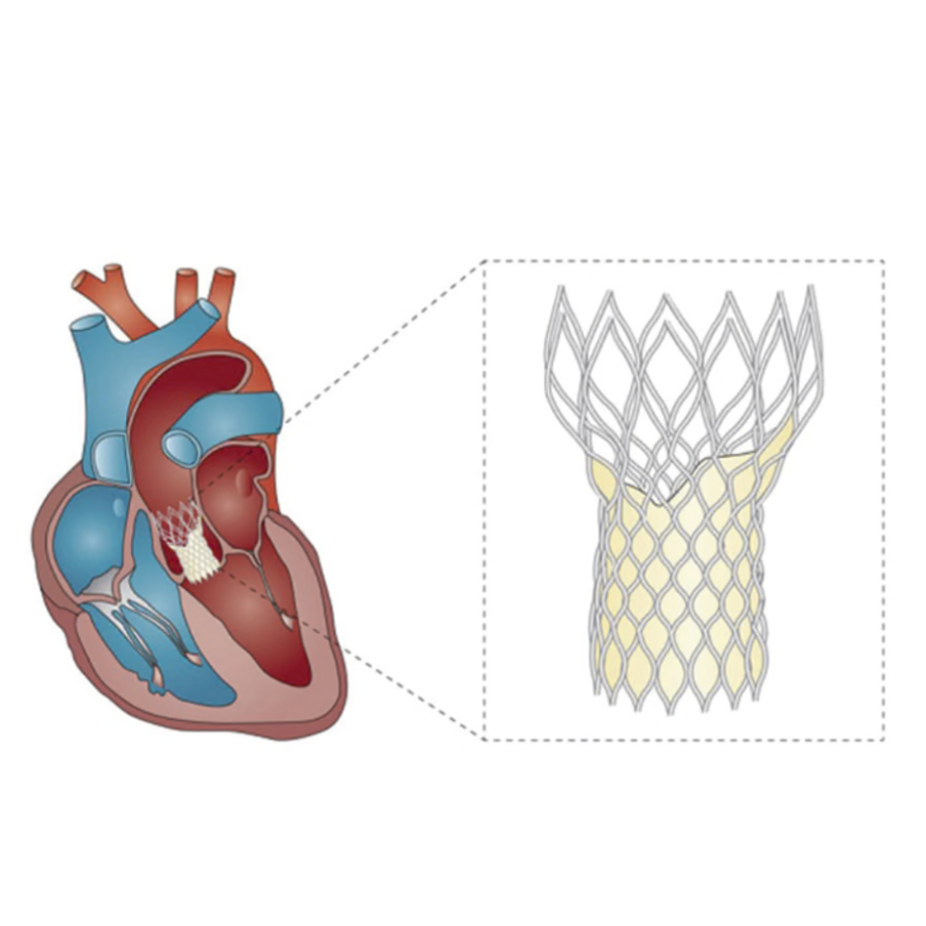
Transcatheter Aortic Valve Implantation (TAVI) is a minimally invasive procedure used to replace a diseased aortic valve without the need for open-heart surgery.
It is especially helpful for:
Elderly patients
Patients with high surgical risk
Those who cannot undergo open-heart valve replacement
How Is the Procedure Done?
A small tube (catheter) is inserted through an artery—usually in the leg.
The new artificial valve is delivered through this catheter.
Once positioned inside the old valve, it expands and takes over the function of regulating blood flow.
The heart immediately begins to pump more efficiently.
Benefits of TAVI
Faster recovery compared to open-heart surgery
Shorter hospital stay
Improved quality of life
Significant reduction in symptoms such as breathlessness and fatigue
Effective alternative for high-risk surgical patients
Who Is Eligible?
Doctors may recommend TAVI for patients who have:
Severe symptomatic aortic stenosis
High or intermediate surgical risk
Frailty, lung disease, kidney issues, or other conditions that make surgery unsafe
Risks and Considerations
Although it is less invasive, TAVI still carries some risks, such as:
Vascular complications
Need for a pacemaker
Stroke
Valve leakage (paravalvular regurgitation)
Your cardiology team will perform detailed scans and assessments to determine if TAVI is the best option.
Outlook
Most patients experience significant improvement in symptoms and functional capacity soon after the procedure. TAVI has become a proven, life-enhancing option for people with severe aortic stenosis.